Engineered Water Purification Solutions
Our team applies decades of combined expertise to design and implement comprehensive water filtration systems that meet residential and light-commercial quality standards.
By integrating certified components and evidence-based testing protocols, we facilitate reliable performance, optimize long-term operating costs, and safeguard the health of every end user.
OUR SERVICES
WATER SOFTENING
Hard water can leave mineral deposits on fixtures, create spots on glassware, affect soaps and detergents, and contribute to scale buildup in the plumbing and water using appliances.
Water Bros offers water-softening solutions designed to help reduce the effects of hard water and provide a better experience throughout your home.
Benefits may include:
-Reduced mineral scale
-Softer feeling water
-Cleaner looking fixtures
-Better soap performance
-Helping protect water-using appliances
-A more comfortable shower experience.
REVERSE OSMOSIS DRINKING WATER
Reverse osmosis (RO) drinking water is produced by forcing tap water through a semipermeable membrane that removes dissolved salts, minerals, heavy metals, and many contaminants, resulting in highly purified water with a clean, neutral taste; RO systems often include pre- and post-filters to extend membrane life and improve odor and taste, and while they effectively reduce impurities such as lead, arsenic, nitrates, and some bacteria and viruses, they also strip beneficial minerals and can produce wastewater that needs managing, so proper system selection, regular maintenance, and remineralization options are recommended to balance purity, taste, and environmental impact.
Free Water Testing!
Water testing is the systematic process of collecting and analyzing water samples to determine physical, chemical, and biological characteristics that affect safety and potability; it identifies contaminants such as bacteria, lead, nitrates, chlorine, and dissolved solids, verifies compliance with regulatory standards, and informs treatment decisions. Routine testing helps detect problems early—preventing health risks, protecting plumbing and appliances, and ensuring filters and purification systems perform effectively—while targeted testing following events like flooding, well repairs, or unusual tastes and odors provides the data needed to choose appropriate corrective actions. Regularly scheduled testing, combined with professional interpretation of results, is essential for maintaining reliable, clean water for homes, businesses, and public facilities.
IRON & RUST REMOVEAL
Iron and rust removal involves identifying and treating both dissolved iron and visible rust to restore water quality and protect plumbing and fixtures; dissolved iron (ferrous) causes metallic taste and staining while oxidized iron (ferric) and rust form reddish-brown particles that clog filters and corrode surfaces. Effective removal strategies include oxidation (using aeration, chlorine, or potassium permanganate) to convert soluble ferrous iron to insoluble ferric iron, followed by filtration through greensand, catalytic carbon, or multimedia filters to capture particulates, and chemical sequestration with polyphosphates to prevent staining in systems with low iron concentration. For heavy iron or well-water systems, water softeners with iron removal capability or dedicated iron filters with backwashing and periodic media replacement are recommended; routine testing, pH control, and maintenance—such as cleaning or replacing filter media and inspecting for bacterial iron-related issues—ensure long-term performance and prevent rust-related damage.
SULFUR AND ODOR REMOVAL
Sulfur and odor removal addresses the common problem of rotten-egg smell and unpleasant tastes caused primarily by hydrogen sulfide gas and certain sulfur-containing compounds in water; effective treatment typically combines diagnostic testing to identify concentration and source (well water, municipal treatment byproducts, or organic decay) with targeted solutions such as aeration, activated carbon filtration, catalytic carbon, chlorination followed by filtration, or catalytic oxidation media like manganese greensand, each chosen based on system size, sulfur levels, and water chemistry; routine maintenance, periodic media replacement, and water quality monitoring are essential to ensure long-term odor control and to protect plumbing, appliances, and health.
WHOLE HOUSE WATER FILTRATION
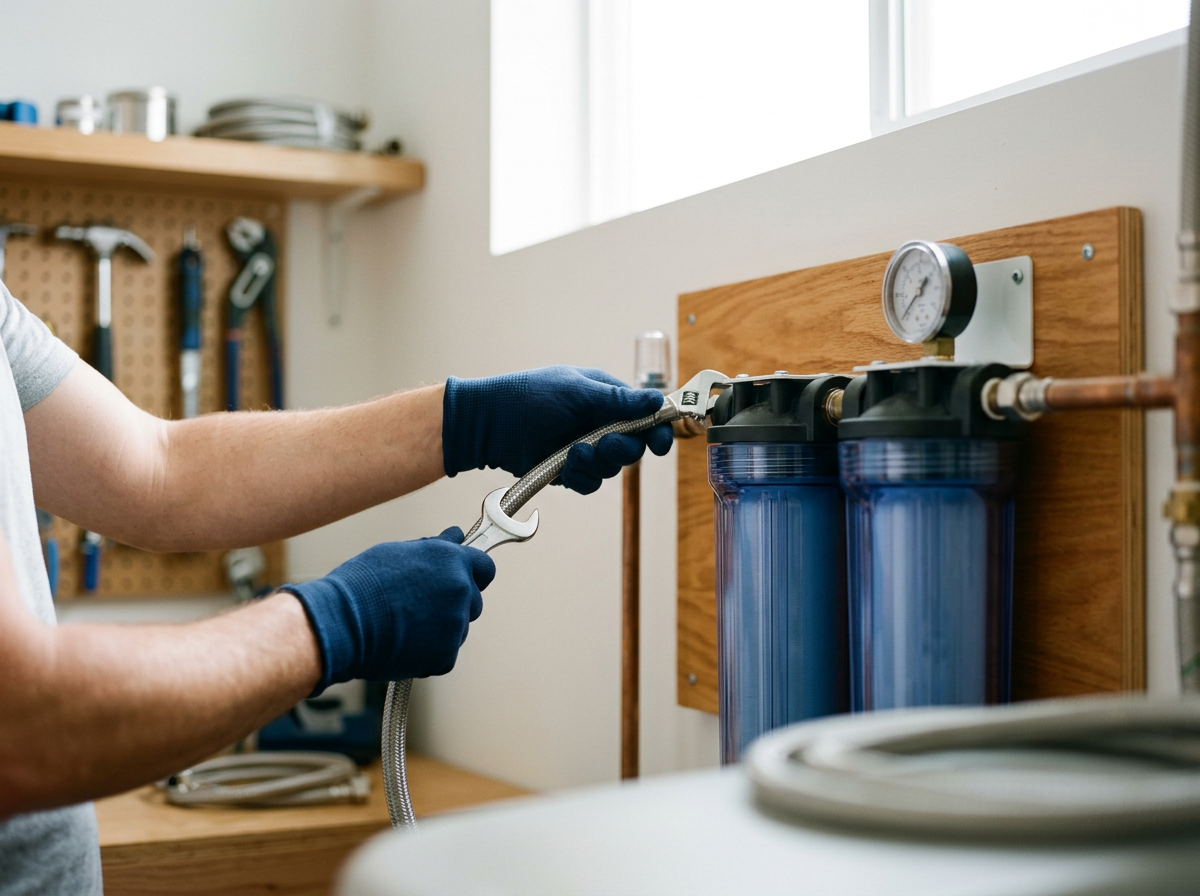
Whole house water filtration systems treat all incoming water at the point where it enters a home, removing contaminants such as sediment, chlorine, heavy metals, and microbial cysts to protect plumbing, appliances, and household occupants; they provide consistent water quality for drinking, cooking, bathing, and laundry, reduce staining and scale buildup, and can be tailored with carbon filters, sediment prefilters, water softeners, or UV disinfection depending on local water chemistry and household needs, with professional testing and regular maintenance essential to ensure performance and longevity.
Request a Tailored Water Quality Assessment
Submit the inquiry form to receive data-driven recommendations and a precise quotation aligned with your specific water quality objectives.